



No reviews yet

Write a Review

Color Mixer – RGB Light Addition Demonstration with Projector & Screen
Color Mixer – RGB Light Addition Demonstration with Projector & Screen
$22.95
Bring Color Addition to Life with a Hands-On RGB Mixer
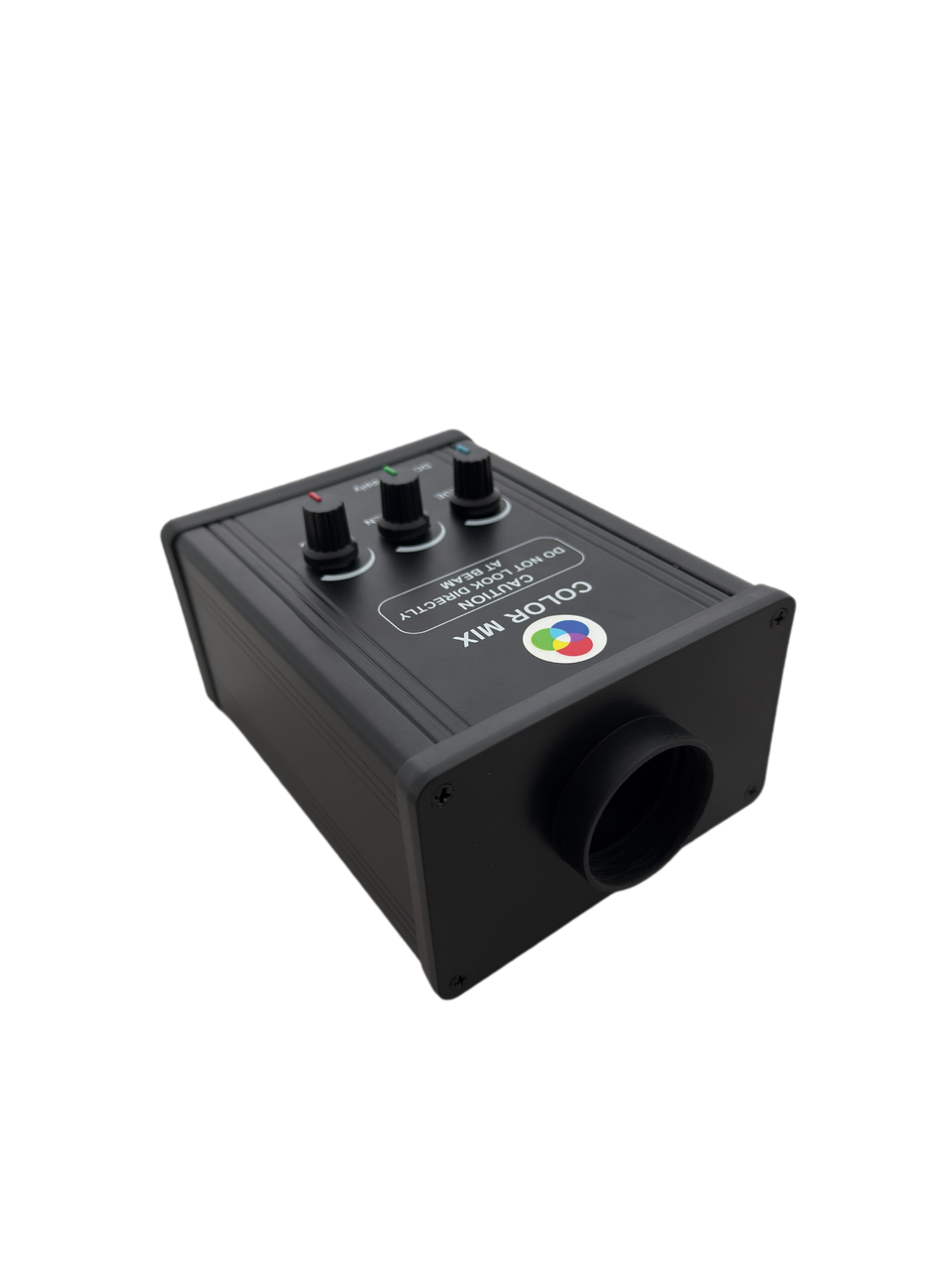
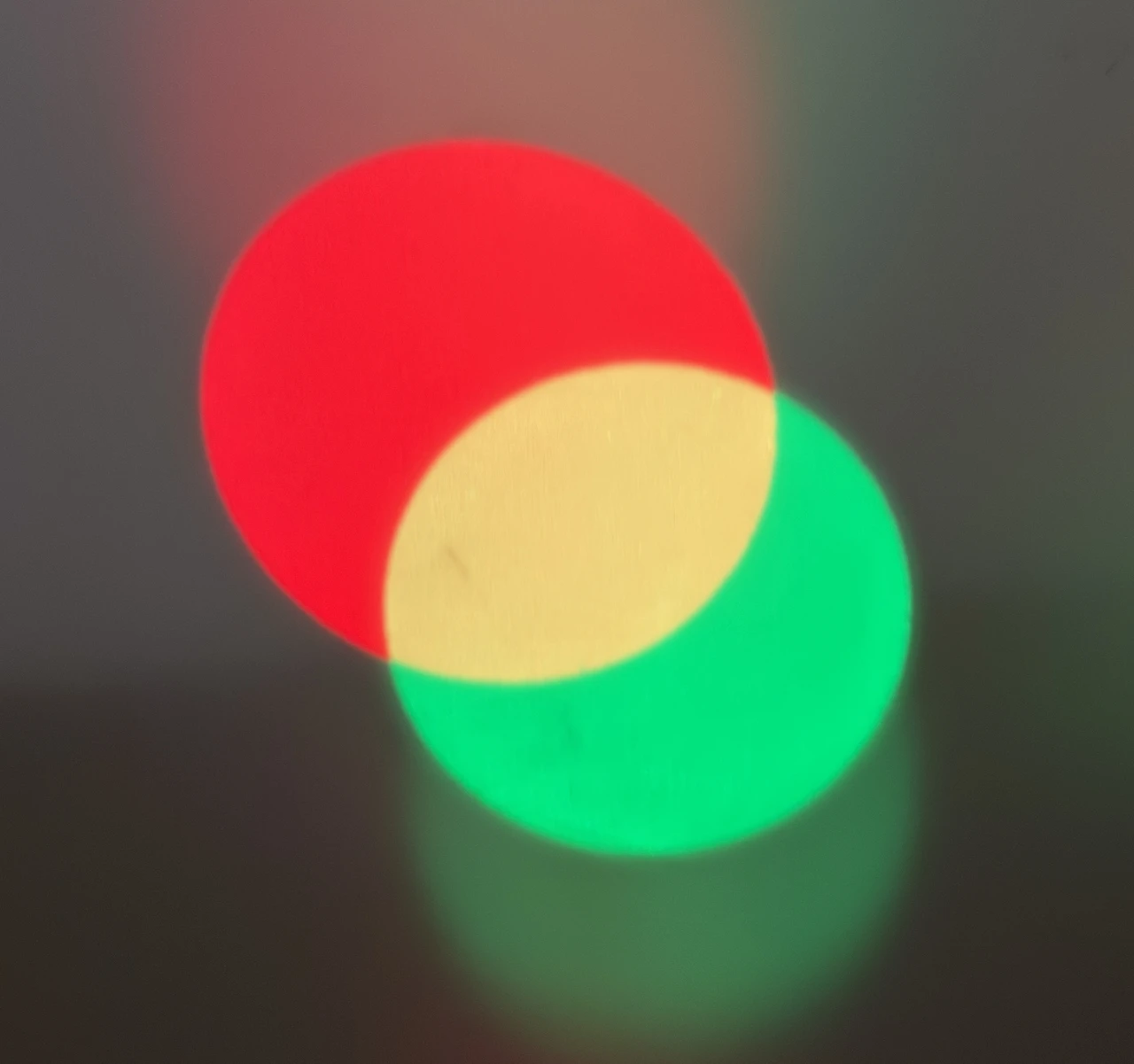
This compact color mixer gives students a clear, memorable way to explore additive color mixing, colored shadows, and the behavior of red, green, and blue light. Using three independently controlled light sources, you can quickly show how combining colors of light creates new hues—including white light in the center of the beam.
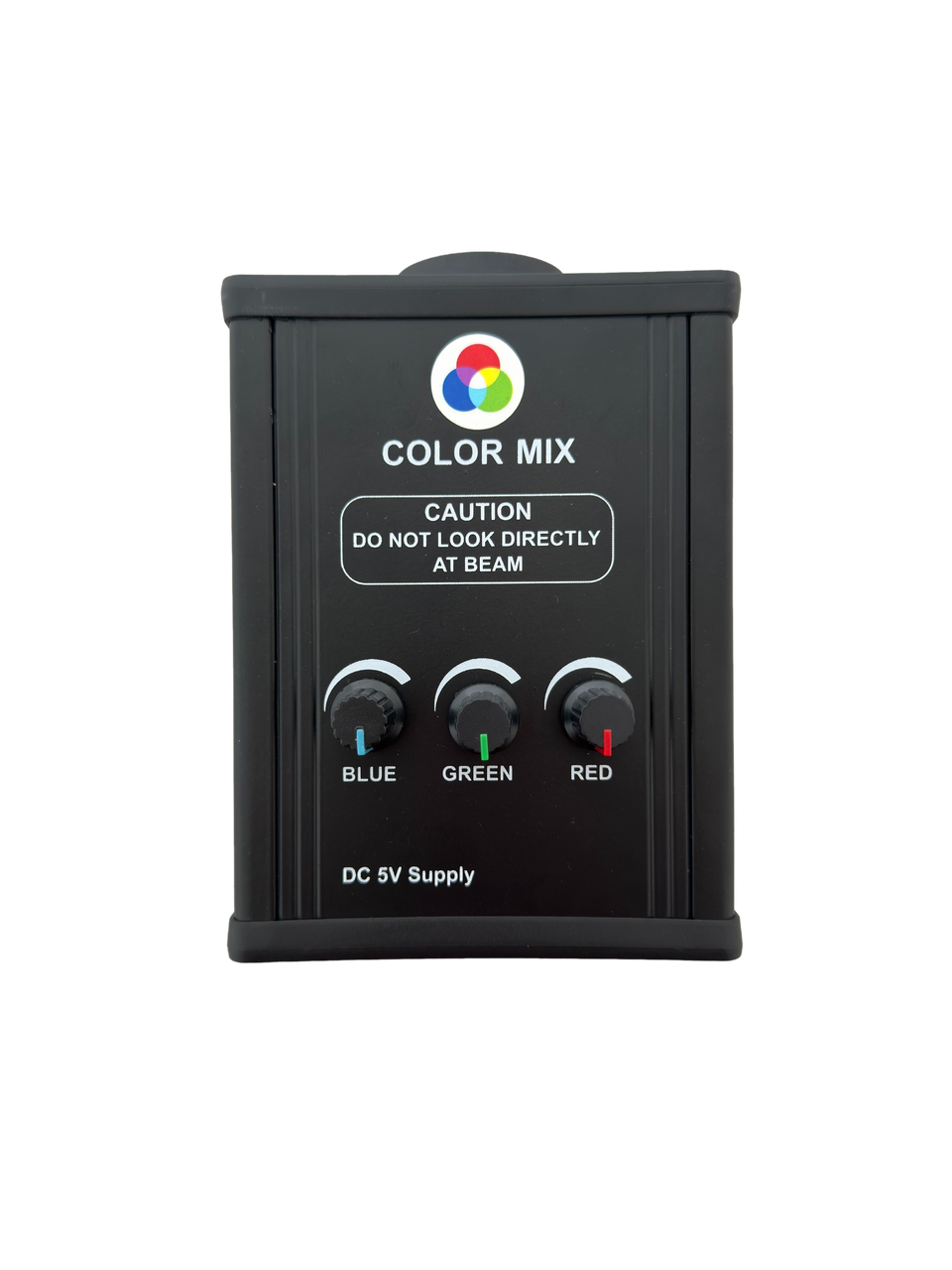
Use the front panel knobs to precisely control the intensity of each color (red, green, and blue), then project the overlapping beams onto the included screen to create a wide variety of color combinations and colored-shadow demonstrations. The unit plugs into a standard wall outlet using the included AC adapter, making it simple to set up and run in any classroom or lab.
Key Features
-
Demonstrates additive color mixing using three primary light colors: red, green, and blue
-
Front-panel control knobs let you smoothly vary the intensity of each color channel
-
Ideal for colored-shadow demonstrations and exploring how overlapping beams create new colors
-
Bright, focused beams designed for classroom visibility, even in moderate room light
-
Includes small projection screen for standalone demonstrations—no extra equipment required
-
Plug-and-play operation with included AC adapter; no batteries needed
What’s Included
-
1 × Color mixer with three independently controlled RGB light sources
-
1 × AC adapter (for standard wall outlet use)
-
1 × Small projection screen
Classroom Applications & Teaching Ideas
Use this color mixer to support lessons in:
-
Additive color theory – Show how red + green + blue light can create white and a full range of intermediate colors.
-
Colored shadows – Place an object between the mixer and the screen and adjust each color channel to create multiple overlapping shadows in different colors.
-
Physics of light & perception – Discuss how the eye’s cone cells respond to red, green, and blue light, and why screens use RGB subpixels.
-
Art, design, and theater lighting – Connect science to real-world uses in stage lighting, digital displays, and photography.
Tip for demos: Start with only one color turned up at a time. Then gradually add a second and third color so students can predict what the new color should be before you reveal it.
Specifications
-
Color channels: Red, green, blue (RGB) light sources
-
Control: Individual intensity knobs for each color
-
Power: AC adapter (included)
-
Recommended use: Classroom demonstrations, lab activities, and STEM outreach
You might also like
-
-
-
-
Sale